Currently Empty: ₹0.00


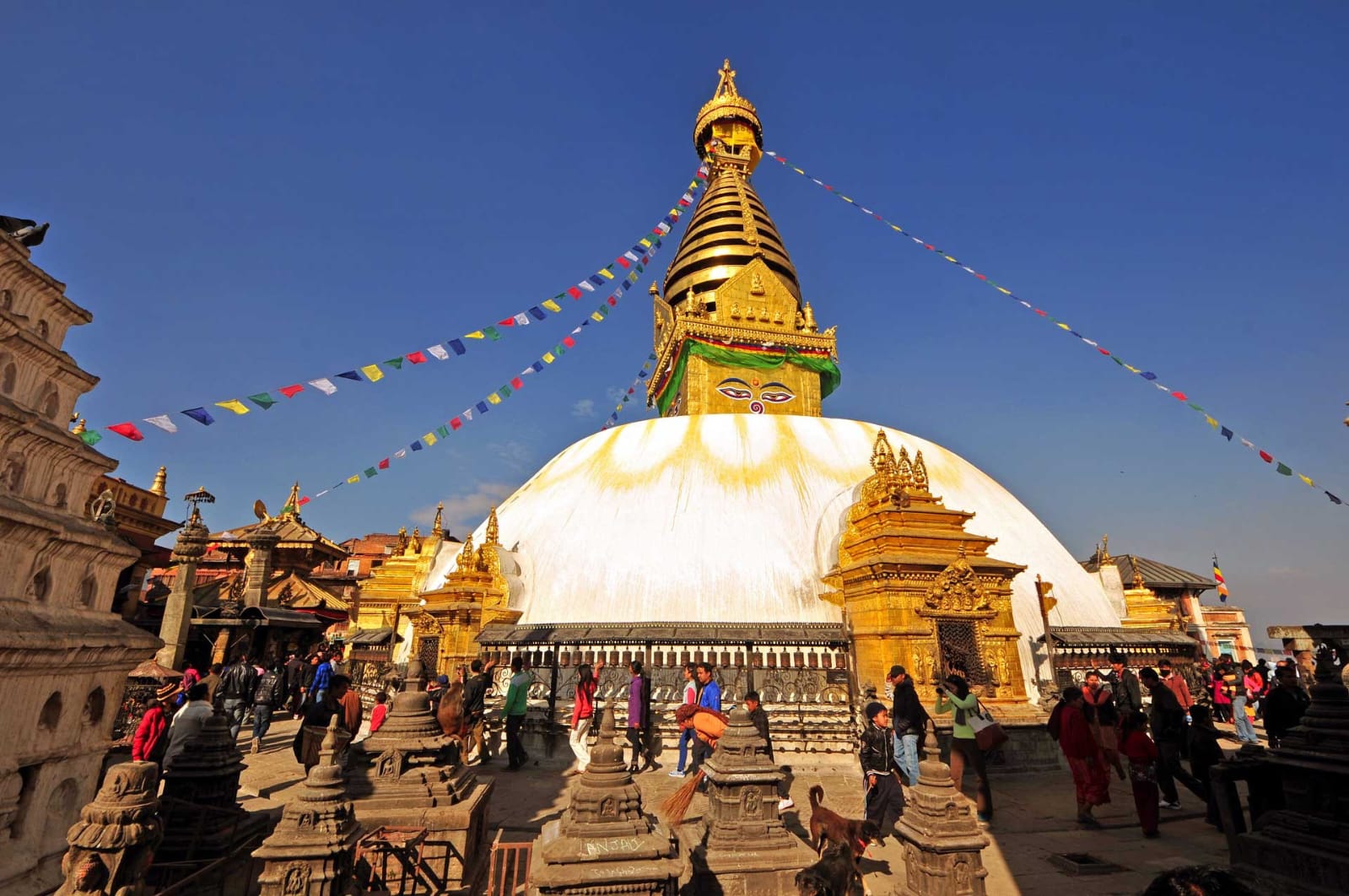
Swayambhunath Stupa (Monkey Temple) — Kathmandu, Nepal
Introduction
Swayambhunath Stupa, also known as the Monkey Temple, is one of the most iconic landmarks in Kathmandu, Nepal. This sacred Buddhist site has a rich history, breathtaking views, and a serene atmosphere that attracts thousands of visitors from around the world. The temple, perched atop a hill, offers spiritual insights and cultural experiences that make it a must-visit destination for anyone traveling to Kathmandu.
Timing to Visit
The Swayambhunath Stupa is open to visitors every day. The best time to visit is early in the morning or late in the afternoon to avoid the crowds and experience a peaceful atmosphere. During these times, you can also enjoy the scenic views of the Kathmandu Valley.
- Opening Hours: 6:00 AM – 6:00 PM
- Best Time to Visit: Early morning or late afternoon
Address
Swayambhunath Stupa, Kathmandu 44600, Nepal
Why We Visit There
Swayambhunath Stupa holds immense spiritual significance, attracting both locals and tourists. Here are some of the reasons why visitors flock to this remarkable site:
- Historical and Cultural Importance: The stupa dates back over 2,000 years and is one of the oldest and most important religious monuments in Nepal. It is considered a UNESCO World Heritage site and is an essential part of Nepal’s cultural and religious heritage.
- Stunning Views: The stupa offers panoramic views of the Kathmandu Valley. It’s an excellent spot for photography, especially at sunrise or sunset, when the golden rays illuminate the stupa and surrounding landscape.
- Spirituality and Tranquility: The temple’s serene environment, with the constant sound of chanting and the fluttering of prayer flags, makes it a peaceful destination for reflection and meditation. Pilgrims visit to offer prayers, light butter lamps, and perform circumambulation rituals around the stupa.
- The Monkeys: The temple is famously known as the Monkey Temple because of the large number of monkeys that roam the area. They are considered sacred and add a playful element to the visit. Visitors often enjoy observing them as they interact with the environment.
Story of This Temple
The history of Swayambhunath is steeped in legend. According to ancient Nepalese texts, the valley of Kathmandu was once a giant lake. The stupa was believed to have been created when the Bodhisattva Manjushri drained the water from the lake to create land. It is said that Swayambhunath was established by King Vishwa Deva in the 5th century, though some say it dates back even further.
The stupa’s design symbolizes the cosmos, with the dome representing the Earth and the pinnacle symbolizing the heavens. The eyes of the Buddha painted on the stupa’s structure are a notable feature, representing the all-seeing eyes of Buddha. It is believed that the stupa was constructed to be a place of worship for Buddhists and later became an important pilgrimage site for both Buddhists and Hindus alike.
As for the monkeys, they are said to symbolize the playful nature of life. They have long been associated with the temple and are often seen as a source of amusement for visitors. However, they are also respected and believed to embody good fortune.
Conclusion
Swayambhunath Stupa is not just a tourist attraction; it’s a spiritual and historical center that offers a peaceful escape from the bustle of Kathmandu. Whether you are interested in its history, spirituality, or simply seeking a peaceful retreat, this sacred site will leave you with lasting memories. Be sure to visit and witness the charm of this ancient temple.
Contact Us
Visit us: www.indianvedicastrologer.com
Numerology | Gemology | Vastu | Talk to Astrologer | Video Gallery
Email: info@indianvedicastrologer.com