Currently Empty: ₹0.00


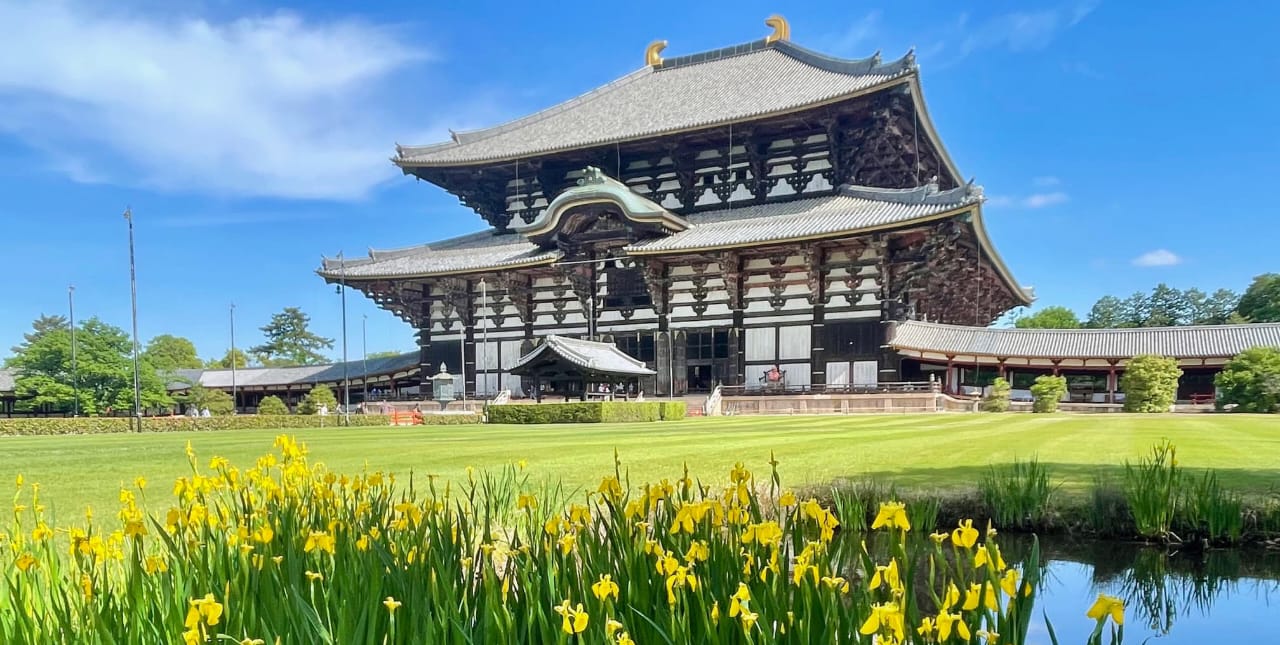
Todaiji Temple – Nara, Japan: A Sacred Journey to a Historical Landmark
Introduction
Todaiji Temple, a UNESCO World Heritage site, is one of the most iconic and historically significant temples in Japan. Located in Nara, Japan, it is known for its colossal Great Buddha statue and its rich cultural heritage. The temple has long been a place of spiritual devotion and a center of Japanese Buddhism, attracting visitors from around the world. It is an essential destination for those wishing to immerse themselves in Japan’s history and culture.
Timing to Visit Todaiji Temple
Todaiji Temple is open to visitors year-round, but the most ideal time to visit is during the spring and autumn seasons when the weather is pleasant, and the surrounding nature is in full bloom or vibrant with fall colors. If you are seeking a peaceful visit without large crowds, it is best to visit early in the morning or later in the afternoon on weekdays.
Address
Todaiji Temple is located in the Nara Park area, just a short walk from the Nara Station. The exact address is:
Todaiji Temple, 406-1 Zoshicho, Nara, 630-8587, Japan.
Timing of Visit
- Opening Hours: The temple is typically open from 8:00 AM to 5:00 PM. However, the Great Buddha Hall (Daibutsuden) may have extended hours depending on the season. It is always best to check the latest visiting hours on the official website before planning your visit.
- Closed Days: Todaiji Temple is usually open every day, including weekends and holidays, but there may be occasional closures for special events or maintenance, so checking in advance is recommended.
Why We Visit Todaiji Temple
Todaiji Temple attracts millions of visitors annually for its historical and cultural significance. Here are some of the reasons why people flock to this temple:
- The Great Buddha (Daibutsu): The centerpiece of Todaiji Temple is the Great Buddha, a massive bronze statue of Vairocana Buddha. At 15 meters tall, it is one of the largest bronze Buddha statues in the world, offering visitors a mesmerizing view and a sense of tranquility.
- Cultural Significance: Todaiji Temple is one of Japan’s oldest and most important Buddhist temples, representing the power and influence of Buddhism in Japanese history. The temple served as the headquarters of the Kegon school of Buddhism and played a vital role in the country’s spiritual development.
- Architectural Beauty: The temple complex itself is a stunning example of ancient Japanese architecture, with its large wooden structures and intricately carved details. The Great Buddha Hall (Daibutsuden) is particularly impressive, as it is the world’s largest wooden building.
- Natural Surroundings: Todaiji Temple is situated in Nara Park, a lush green space surrounded by hundreds of wild deer, which are considered sacred in Japan. The combination of the temple, deer, and natural beauty creates a unique and serene atmosphere for visitors.
- Spiritual Experience: Many visitors come to Todaiji Temple to connect with the spiritual energy of the temple. Whether it’s through a quiet moment of reflection or participating in the temple’s rituals, Todaiji offers a deep spiritual experience for all who visit.
Story of Todaiji Temple
Todaiji Temple was originally constructed in the early 8th century under the orders of Emperor Shomu, who sought to establish a powerful national symbol of Buddhism. The temple was designed to showcase the Emperor’s devotion to Buddhism and to unite the nation under one religious banner. It was completed in 752 AD and became the head temple of all the provincial temples in Japan.
The temple’s Great Buddha Hall (Daibutsuden) was once even larger than it is today, but it was partially destroyed in a fire in the 12th century and later rebuilt. Despite the reconstruction, Todaiji Temple remains one of the most important and revered temples in Japan.
In addition to its religious and historical significance, Todaiji Temple also served as a center for learning and a place for high-level Buddhist teachings. It has been a hub of cultural exchange and a symbol of peace and unity throughout Japan’s history.
Contact Us
For more information on visiting Todaiji Temple or for any spiritual inquiries, feel free to reach out to us:
- Website: www.indianvedicastrologer.com
- Email: info@indianvedicastrologer.com
- Numerology, Gemology, Vastu, Talk to Astrologer: Visit our services page for more details.
- Video Gallery: Check out our collection of spiritual content and astrological insights.