Currently Empty: ₹0.00


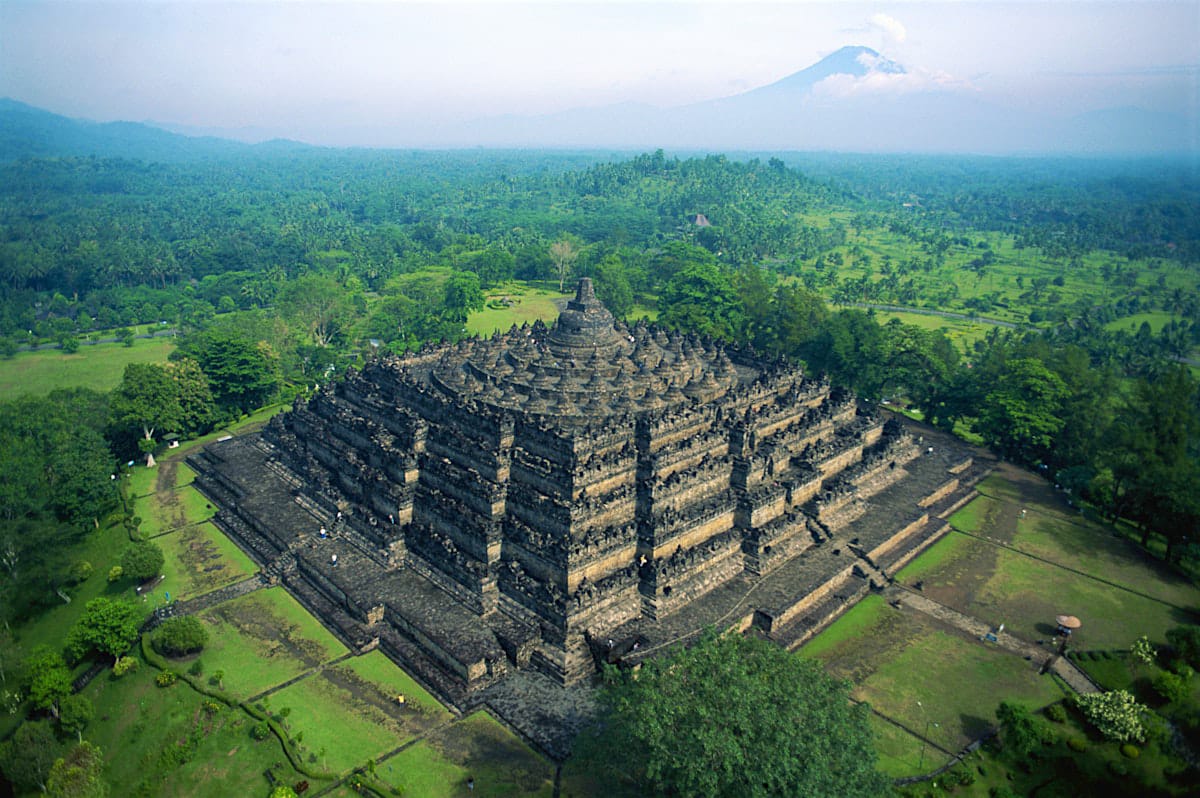
Borobudur Temple — Magelang, Central Java, Indonesia
Borobudur Temple: A Majestic Journey to Ancient Wonder
Borobudur Temple, located in Magelang, Central Java, Indonesia, is one of the largest and most awe-inspiring Buddhist temples in the world. With its rich history, intricate carvings, and breathtaking architectural beauty, Borobudur remains a must-visit destination for anyone interested in ancient history, culture, and spirituality. The temple stands as a testament to the greatness of Indonesian architecture and religious significance.
Timing to Visit:
The best time to visit Borobudur Temple is during the dry season, from April to October, when the weather is pleasant and ideal for sightseeing. The temple opens at 6:00 AM for sunrise tours and closes at 5:00 PM. If you’re looking to catch the magical sunrise, be sure to arrive early, as this experience offers a unique view of the temple amidst the mist and surrounding mountains.
Address:
Borobudur Temple
Magelang, Central Java, Indonesia
Timing of Visit:
- Opening Hours: 6:00 AM to 5:00 PM
- Best Time to Visit: Early morning for sunrise or late afternoon to avoid the crowds.
Why Visit Borobudur Temple:
Borobudur Temple is not only a magnificent historical monument but also a UNESCO World Heritage site, offering visitors a chance to connect with the spiritual history of Southeast Asia. Whether you’re drawn to the temple’s unique architecture, its religious significance, or its breathtaking views of the surrounding landscape, Borobudur offers something for everyone. The intricate carvings tell the story of the Buddha’s journey to enlightenment, making it a truly profound spiritual and cultural experience.
Additionally, visitors to Borobudur Temple can experience the serenity and tranquility of the surrounding environment. The temple sits on a hill, offering a panoramic view of the nearby hills and plains, which makes the visit all the more memorable.
Story of Borobudur Temple:
Built in the 9th century during the reign of the Sailendra Dynasty, Borobudur Temple was designed as a place of worship and pilgrimage for Buddhists. The temple’s design reflects the teachings of Buddhism, with the temple’s nine stacked platforms symbolizing the stages of enlightenment. The lower levels of the temple depict the story of Buddha’s life, while the upper levels depict his journey to Nirvana.
Over time, the temple was abandoned and fell into obscurity due to volcanic eruptions and the decline of the Buddhist kingdom. It was rediscovered in the 19th century and subsequently underwent extensive restoration, making it one of Indonesia’s most cherished cultural treasures.
Contact Us:
- Visit us at www.indianvedicastrologer.com
- Email: info@indianvedicastrologer.com
- Explore More:
- Numerology
- Gemology
- Vastu
- Talk to an Astrologer
- Video Gallery