Currently Empty: ₹0.00


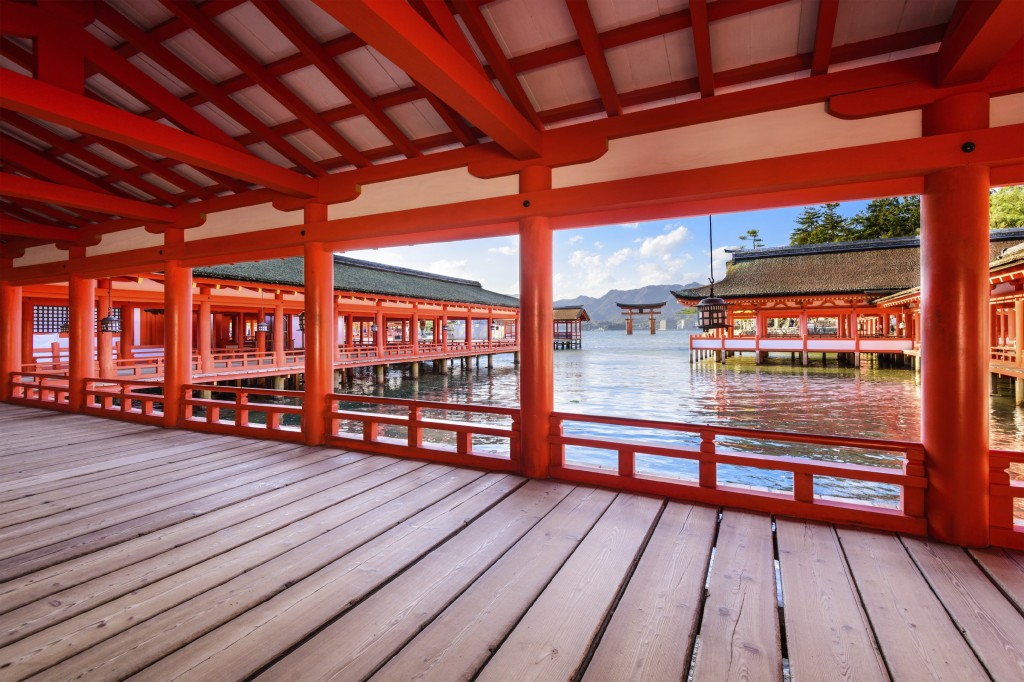
Itsukushima Shrine – Miyajima Island, Japan
Introduction to Itsukushima Shrine
Located on the picturesque Miyajima Island in Japan, the Itsukushima Shrine is one of the most iconic and spiritually significant sites in the country. Famous for its torii gate that appears to float on the Seto Inland Sea, the shrine is a stunning example of Japanese Shinto architecture and a UNESCO World Heritage Site. This temple is a testament to Japan’s deep reverence for nature and the spiritual world.
Why Visit Itsukushima Shrine?
Visiting Itsukushima Shrine is not just about admiring the beautiful scenery and architecture; it’s a journey into Japan’s spiritual history. The shrine is dedicated to the three daughters of the Shinto deity of seas and storms, Susanoo no Mikoto. It’s a place where visitors can reconnect with the past and immerse themselves in the unique cultural and spiritual heritage of Japan.
For centuries, the shrine has served as a spiritual hub for worshippers, as well as a place of pilgrimage for those seeking peace and inner balance. The sight of the iconic red torii gate standing tall in the water is enough to take anyone’s breath away, especially at high tide when it appears to float.
The History and Story of Itsukushima Shrine
Itsukushima Shrine’s history dates back to the 6th century, though the current structure was established in the 12th century under the patronage of the Taira clan. The shrine has been continuously maintained and enhanced, with various additions, such as the floating torii gate, built in the late 12th century. Over the years, Itsukushima has become a symbol of Japan’s deep connection to the sea and the deities who protect it.
The shrine’s stunning location on the island also adds to its mystique. Built over water, the shrine’s layout allows for its reflection to shimmer on the water’s surface, giving it an ethereal quality. The island itself is believed to be sacred, and its forests, mountains, and coastline all hold religious significance.
According to legends, Emperor Toba of Japan funded the building of the shrine, seeking divine protection for the country. Even today, it remains a site where prayers are offered for safe voyages, harmony, and spiritual well-being.
Best Time to Visit Itsukushima Shrine
The best time to visit Itsukushima Shrine is during the spring and autumn months when the weather is mild, and the island’s natural beauty is at its peak. Cherry blossoms in spring and vibrant autumn foliage provide a stunning backdrop to the shrine’s traditional architecture. However, it is a year-round destination, and each season offers its own charm. Summer is ideal for those wanting to experience the shrine in its full splendor during the warmer months, while winter brings a serene and quiet beauty to the island.
Visiting Hours
Itsukushima Shrine is open to the public every day of the year, with the following general hours:
- Morning: 6:30 AM to 6:00 PM
- Evening: The shrine remains closed at night.
However, it is always a good idea to check the official website or local sources for any changes in the timings, especially during festivals or maintenance periods.
Address of Itsukushima Shrine
Itsukushima Shrine is located on Miyajima Island, which is part of Hatsukaichi City, Hiroshima Prefecture. It is easily accessible by ferry from Hiroshima city or from Miyajimaguchi, a town on the mainland.
Address:
1-1 Miyajima-cho, Hatsukaichi City, Hiroshima 739-0588, Japan
Contact Us
For more spiritual guidance and astrological consultations, feel free to reach out to us:
Visit our website: www.indianvedicastrologer.com
Numerology | Gemology | Vastu | Talk to an Astrologer | Video Gallery
Email us at: info@indianvedicastrologer.com