Currently Empty: ₹0.00


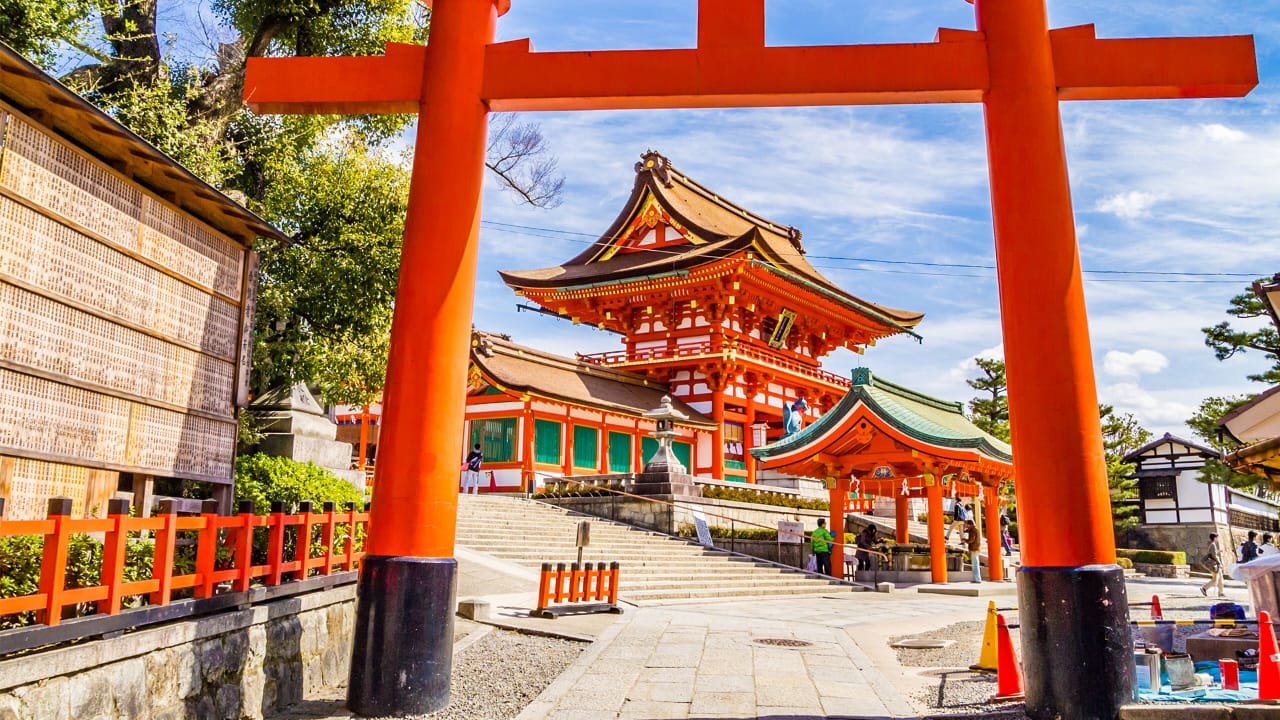
Fushimi Inari Taisha — Kyoto, Japan
Introduction:
Fushimi Inari Taisha, located in Kyoto, Japan, is one of the most iconic and spiritual places in Japan, renowned for its stunning shrine dedicated to Inari, the Shinto deity of rice, agriculture, and prosperity. The temple’s beauty, its historical significance, and its mesmerizing pathways filled with vibrant red torii gates make it a must-visit destination for travelers, pilgrims, and culture enthusiasts alike.
Timing to Visit:
Fushimi Inari Taisha is open year-round, making it a perfect location to visit any time during your travels to Kyoto. However, it is advisable to visit early in the morning or later in the afternoon to avoid crowds, especially during peak tourist seasons such as spring and autumn when the temple becomes quite busy.
Address:
Fushimi Inari Taisha, 68 Fukakusa Yabunouchicho, Fushimi Ward, Kyoto 612-0882, Japan
Timing of Visit:
The shrine is open 24 hours a day, with the main hall and other areas usually accessible to visitors during daylight hours. However, many people prefer to visit early in the morning or around sunset when the atmosphere is serene and mystical, with fewer crowds. The torii gates along the famous paths are especially enchanting during these times.
Why We Visit There:
- Spiritual Significance: The shrine is a place of deep spiritual importance for Japanese Shinto practitioners. It is dedicated to Inari, the god of rice, agriculture, and prosperity. Visitors often come to pay respects, seek blessings for wealth, health, and success, or to connect with Japan’s rich spiritual heritage.
- The Iconic Torii Gates: The Fushimi Inari Taisha is perhaps best known for its seemingly endless pathways lined with red torii gates, each donated by individuals or companies. These gates form a captivating scene, symbolizing the spiritual passage between the human world and the divine.
- Historic Significance: The shrine has a history that dates back to the 8th century and is one of the most important sites in Shintoism. Over the years, it has become a UNESCO World Heritage site and one of Kyoto’s most beloved cultural landmarks.
- Natural Beauty: The surrounding area is equally beautiful, with trails leading up the mountain that provide lush greenery and panoramic views of Kyoto.
Story of This Temple:
Fushimi Inari Taisha is a shrine dedicated to the Shinto deity Inari, whose influence has spread across Japan over the centuries. The shrine’s history dates back to 711 AD, when it was established as the main sanctuary for the worship of Inari. The shrine is situated on Mount Inari, and its most famous feature is the thousands of vermilion torii gates that lead to the shrine’s inner sanctum.
These gates are donations made by individuals or businesses, each one inscribed with the donor’s name and the date of donation. The torii gates create a stunning visual effect, making the temple one of the most photographed spots in Japan. Visitors often walk through these gates in a serene procession, offering prayers and making wishes for prosperity and good fortune.
The temple’s sacred mountain, Mount Inari, is home to numerous smaller shrines dedicated to Inari, as well as a variety of fox statues that symbolize the deity’s messengers. The tradition of fox worship at Fushimi Inari Taisha further deepens the temple’s cultural and religious importance.
The temple’s legacy as a powerful spiritual site continues today, drawing not only worshippers but also tourists and photographers who are captivated by its beauty and tranquility.
Contact Us Visit Us:
For astrology, numerology, gemology, vastu, and expert astrological services, feel free to reach out to us at www.indianvedicastrologer.com.
Numerology | Gemology | Vastu | Talk to Astrologer | Video Gallery
For any inquiries, please contact us via email at info@indianvedicastrologer.com.